Explosive Judicial Interrogation: Relentless Questioning Over Intimidation Claims Exposes Deep Institutional Panic Live! Behind the official seals lies an unscripted moment of intense courtroom heat as sharp inquiries cornered key legal figures over evasive answers before a stunned public audience. What was meant to be routine testimony spiraled into an immediate credibility crisis as direct probes into potential threats backed counsel into a corner, leaving seasoned strategists in a state of absolute disbelief. No one predicted that high-level hesitation would trigger such a direct confrontation from the bench, proving that when fear takes over the witness stand, silence speaks louder than any prepared statement. “When you try to hide the threat behind cautious words, the silence itself becomes the biggest confession in court.” Head down to the comments section right now to read the full account!

SHADOWS IN THE HALLS OF JUSTICE: THE UNTOLD COLLAPSE OF POWER
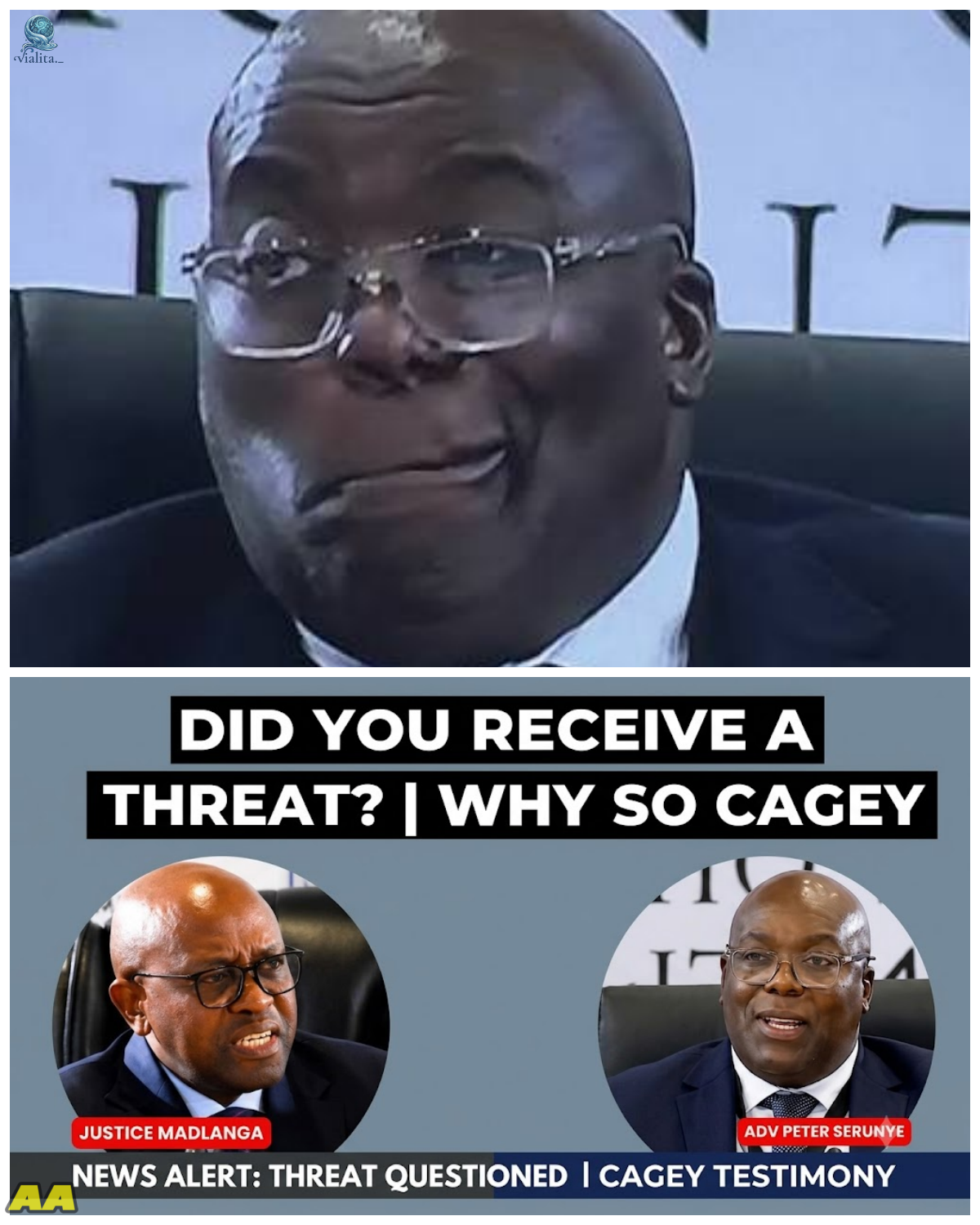
The high-stakes world of state prosecution has always been a chessboard of silent wars, but no one anticipated the complete meltdown that unfolded behind closed doors.
It was an ordinary morning when Peter Serunye took the stand, bearing the heavy weight of an institution on the verge of fracturing.
As a seasoned deputy director, Peter had spent decades navigating the murky depths of high-level corruption, building an unassailable reputation.
Yet, as the interrogation began at the commission of inquiry, the atmosphere turned icy, exposing a web of covert maneuvers and broken oaths.
Peter Serunye was forced to confront uncomfortable truths about how delicate cases were handled behind the backs of senior leadership.
For years, Peter relied on strict protocol, maintaining non-disclosure agreements that kept sensitive files locked in absolute secrecy.
However, whispers of shadow operations began to circulate when junior prosecutors were secretly reassigned without Peter‘s consent.
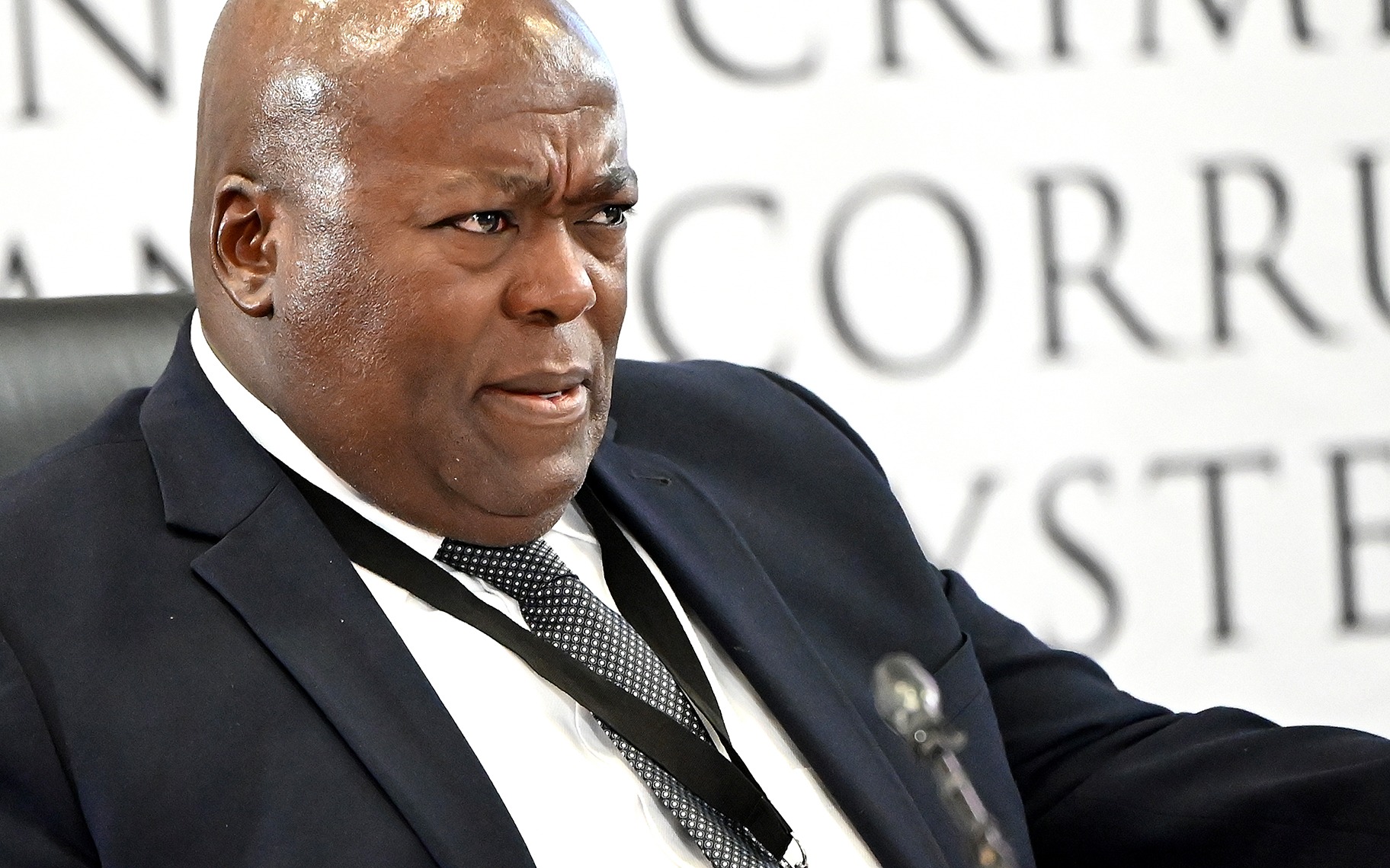
This quiet bypass of authority struck at the very core of organizational trust, sparking intense friction among top decision-makers.
The commission demanded answers, pressing Peter on whether invisible forces were pulling the strings from above.
When questioned about potential threats and hidden pressure, Peter seemed to tread carefully, choosing words with painstaking precision.
The room grew tense as panel members challenged the guarded responses, asking who was truly being protected in this high-stakes game.
Beneath the polished exterior of legal proceedings lay a fierce battle for control over sensitive intelligence files.
Key figures within the unit found themselves caught between allegiance to the law and compliance with executive mandates.
As Peter detailed the rigid structures of the unit, the illusion of seamless authority began to crumble.
The revelation that internal protocols were secretly bypassed exposed deep cracks in an agency designed to be impenetrable.
Colleagues who once worked side by side in silence were suddenly pitted against each other under the glare of public scrutiny.
Every document submitted and every signature verified became a battleground for accountability.
The drama reached a boiling point when the panel openly questioned if fear had compromised the integrity of the process.
Peter stood firm, insisting that duty remained paramount, yet the underlying tension was impossible to hide.
The public spectacle laid bare the fragile line between institutional order and complete internal collapse.
In the end, the truth emerged not through a triumphant victory, but through the quiet resignation of a system pushed beyond its limits.
The commission exposed the fractures, leaving the once-feared unit stripped of its secrecy and forever changed by the scandal.
As the dust settled, those who held power were left to pick up the pieces of a ruined legacy, proving that no empire built on shadow operations can survive the light.