Ray Emodi: Biography, Family, Wife, Health issues, Quit acting, Net worth, Cars, Mansions Celebrity Ville
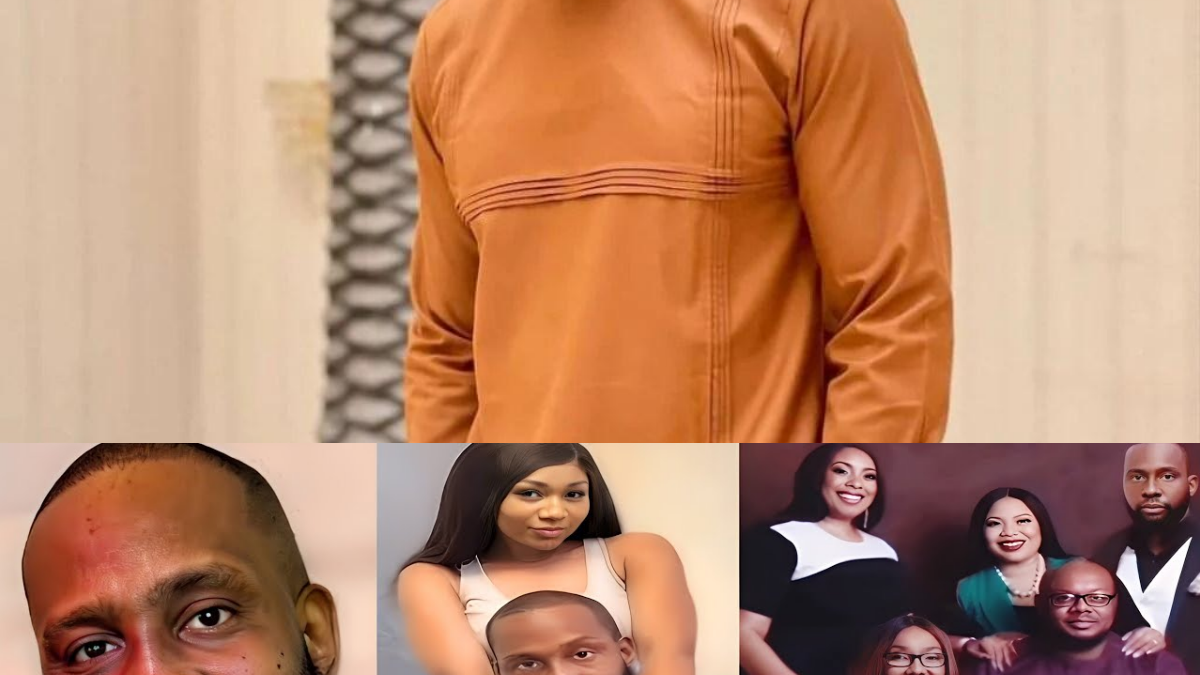
From Nollywood’s Golden Boy to Mental Health Advocate: Ray Emodi’s Journey Through Anxiety, Burnout, and the Price of Celebrity in Nigeria’s Film Industry

In the glittering world of Nollywood, where talent, charisma, and physical attractiveness can transform ordinary individuals into household names and international celebrities, few actors have ascended to prominence as rapidly and dramatically as Ray Emodi. With his striking good looks, versatile acting abilities, and undeniable screen presence, Emodi has become one of the most recognizable faces in Nigeria’s thriving film industry, commanding significant fees for his appearances and attracting millions of followers across social media platforms. Yet beneath the glamorous exterior of red carpet appearances, luxury vehicles, and high-profile film projects lies a more complex and troubling reality: a talented young man who has struggled privately with severe mental health challenges while maintaining a public facade of success and invulnerability. His recent openness about his battle with anxiety disorder and his dramatic, albeit temporary, decision to retire from acting have revealed uncomfortable truths about the psychological toll of celebrity culture and the often-invisible struggles that plague even the most successful entertainers.
Ray Emodi, whose full name is Chuka Ray Emodi, was born on September 4, 1990, in Enugu State in southeastern Nigeria. His birth into a prominent, politically connected family provided him with advantages that many aspiring actors could only dream of. His father, Dr. James Emodi, was an accomplished educator and economist who instilled in his children a strong work ethic and commitment to excellence before his death in 2019. His mother, Senator Joy Emodi, is a distinguished lawyer and veteran politician who made history when she became the first Igbo woman to be elected to the Nigerian Senate in 2005. Growing up in a Catholic household with strict parental guidance and exposure to Nigeria’s political elite, Ray was raised with expectations of achievement and a clear understanding that his family name carried significant weight and responsibility.
Despite his privileged background and the opportunities it afforded, Ray’s path to success was not predetermined. After completing his secondary education in Enugu, he pursued higher education abroad, demonstrating an intellectual curiosity and ambition that extended beyond the boundaries of his home country. He earned a bachelor’s degree in Business Administration from Nottingham Trent University in the United Kingdom, a credential that would have positioned him well for a career in finance, management, or corporate leadership. However, driven by a passion for the arts and creative expression, Ray made the unconventional decision to pursue graduate studies in filmmaking. He enrolled at the New York Film Academy in Los Angeles, where he earned a master’s degree in film production while simultaneously working as a professional model. This combination of formal education in business and filmmaking, coupled with his modeling experience and natural charisma, created the perfect foundation for a career in entertainment.

Ray’s entry into Nollywood came in 2011 with a short film titled “Reality Check,” but his official debut in the Nigerian film industry occurred when he was twenty-three years old, appearing in the film “God’s Own Villa.” However, it was his breakthrough role in the blockbuster film “Heaven on My Mind” that catapulted him to stardom and established him as a major force in Nollywood. Since then, he has accumulated an impressive filmography of over one hundred films, working alongside some of the industry’s most accomplished and respected actors. Ray has become particularly known for his portrayal of charming, morally ambiguous characters—seductive bad boys and romantic interests—roles that leverage his striking physical appearance and natural charisma to maximum effect.
Parallel to his flourishing acting career, Ray has pursued music as a creative outlet and professional endeavor. Rather than simply adopting the prevailing Afro-pop and Afrobeat trends that dominate contemporary Nigerian music, Ray has deliberately cultivated an unconventional musical style that sets him apart from his peers. He released his debut single “Nighttime” in 2016, citing international superstar Wizkid as a major influence on his artistic vision. This multifaceted approach to entertainment—combining acting, music production, and business ventures—has contributed to his status as one of Nollywood’s most bankable and versatile entertainers.
By conventional measures, Ray Emodi’s life appears to be a spectacular success story. His estimated net worth of approximately one million USD places him among the wealthiest young actors in Nollywood. His income streams are diverse and substantial, derived from acting fees, film production, advertising contracts, business ventures, and his music career, supplemented by the considerable financial advantages of his family’s wealth and political prominence. He resides in a luxurious mansion in one of Lagos’s most exclusive neighborhoods and maintains an impressive collection of high-end vehicles in his garage. By all external appearances, Ray Emodi has achieved the kind of success that most aspiring entertainers pursue throughout their careers.

Yet this carefully constructed image of success and invulnerability conceals a far more troubling reality that Ray himself has chosen to reveal publicly. In July 2023, Ray made the courageous and emotionally vulnerable decision to disclose that he has been struggling with anxiety disorder since 2015—a period of eight years during which he silently battled a debilitating mental health condition while maintaining his professional obligations and public persona. The anxiety disorder manifested in severe ways that significantly impaired his functioning: persistent stress, chronic headaches, and a progressive inability to perform effectively on film sets. The psychological burden became so overwhelming that Ray was forced to temporarily withdraw from acting and seek professional treatment at a reputable mental health facility in Abuja.
The revelation of Ray’s mental health struggles added crucial context to previous controversies and incidents that had puzzled fans and industry observers. Years earlier, a young female director had publicly accused Ray of defrauding her by failing to repay a film deposit, an incident that had damaged his reputation and generated considerable negative publicity. Ray’s disclosure about his anxiety disorder suggested that this incident, and potentially other problematic behaviors, may have been influenced or exacerbated by his untreated mental health condition. This revelation highlighted an important reality often overlooked in celebrity culture: that public figures are not immune to psychological suffering and that mental illness can manifest in ways that affect their professional conduct and personal relationships.
The situation took a dramatic turn in early 2026 when Ray announced his intention to retire from acting altogether. He cited burnout—the psychological and emotional exhaustion that results from prolonged stress and overwork—as his primary reason for stepping away from the film industry. He declared his intention to focus exclusively on his music career, suggesting that he needed to fundamentally restructure his professional life to protect his mental health and well-being. For his fans and the industry, this announcement was shocking and disappointing, representing the potential loss of one of Nollywood’s most talented and bankable stars.

However, this retirement proved to be remarkably short-lived. Just a few months later, in July 2026, Ray surprised everyone by announcing his return to acting with a new film titled “Every Woman,” in which he starred opposite actress Sonia Uche. In interviews discussing his decision to reverse his retirement, Ray revealed that Sonia Uche had played a crucial role in convincing him to reconsider his decision to leave the industry. He credited her with providing emotional support, encouragement, and inspiration that ultimately persuaded him to return to filmmaking. This narrative of redemption and return, facilitated by the support of a caring colleague, presented a more hopeful picture of Ray’s relationship with his career and his ability to manage his mental health challenges while continuing to work in the demanding entertainment industry.
Ray’s personal life has been the subject of considerable speculation and rumor, despite his deliberate efforts to maintain privacy regarding his romantic relationships. He has consistently maintained that he is currently unmarried and has no children, though this claim has been complicated by various incidents and rumors over the years. In 2022, wedding photographs circulated on social media showing Ray and actress Onyii Alex in bridal attire, sparking widespread speculation that the two had secretly married. However, Ray clarified that these photographs were promotional materials for a film project they were working on together, not documentation of an actual wedding ceremony. This incident highlighted the blurred boundaries between professional performance and personal reality in contemporary celebrity culture, where images can be easily misinterpreted or deliberately misrepresented to generate publicity and engagement.
Ray has been romantically linked to several other actresses in Nollywood, including Destiny Etiko, Nancy Isime, and Ebube Nwagbo, though he has never publicly confirmed any of these relationships. His deliberate guardedness regarding his personal life stands in stark contrast to the oversharing that characterizes many contemporary celebrities. However, one detail about Ray’s personal life does reveal something significant about his values and priorities: he famously decided against getting a tattoo of a future wife’s name on his body, reasoning that wives can leave but mothers remain unconditionally present. Instead, he chose to have his mother’s name tattooed on his body, a symbolic gesture that reflects his deep appreciation for maternal love and his realistic assessment of the impermanence of romantic relationships.

The question of whether Ray has children has been a source of confusion among fans, as children frequently appear in photographs and videos on his social media accounts. However, Ray has clarified that these children are either child actors with whom he has worked on film projects or his own nieces and nephews from his extended family. This clarification underscores the importance of media literacy in the age of social media, where images can be easily misinterpreted and false narratives can quickly gain traction among audiences hungry for celebrity gossip and personal information.
Ray Emodi’s willingness to publicly discuss his mental health struggles represents a significant departure from the traditional culture of silence and stigma that has long surrounded mental illness in Nigeria and across Africa more broadly. By openly acknowledging his anxiety disorder, his need for professional treatment, and his experience of burnout, Ray has contributed to a broader cultural conversation about the psychological toll of high-pressure careers and the importance of mental health care. His disclosure has potentially helped to destigmatize mental illness and encouraged other individuals struggling with similar conditions to seek professional help.
However, Ray’s story also raises important questions about the sustainability of celebrity culture and the psychological costs of maintaining a public persona while battling private demons. The pressure to appear successful, invulnerable, and perpetually available for professional obligations can be psychologically devastating, particularly for individuals who are already predisposed to anxiety or other mental health conditions. Ray’s temporary retirement and subsequent return to acting suggest that he has not fully resolved his underlying mental health challenges, but rather has learned to manage them while continuing to pursue his career.

The contrast between Ray’s privileged background and his mental health struggles also highlights an important reality: that wealth, education, and social status do not provide immunity from psychological suffering. Despite his family’s prominence, his excellent education, and his substantial financial resources, Ray has still struggled with debilitating anxiety. This reality challenges the often-implicit assumption that success and material comfort should be sufficient to ensure happiness and psychological well-being.
Looking forward, Ray Emodi’s continued presence in Nollywood and his openness about his mental health journey suggest that he may serve as an important role model for other entertainers and young people struggling with similar challenges. His story demonstrates that it is possible to achieve significant professional success while managing mental health conditions, and that seeking professional help and taking breaks when necessary are signs of strength rather than weakness. As Nollywood continues to evolve and mature as an industry, the willingness of prominent figures like Ray to discuss mental health openly may help to create a more supportive and psychologically healthy environment for all entertainment professionals. His journey from burnout and the brink of retirement to a renewed commitment to his craft offers hope that even in an industry known for its demanding schedules and intense pressures, it is possible to find balance, healing, and continued success.